Award-winning cheeses, centuries-old looms, high-altitude wines and harvest offerings carried in a convoy of tractors. There is an Andalusia that never makes it into the brochures: the one belonging to the hands that are still working. The shepherd making cheese from payoya goat’s milk in the Sierra de Cádiz. The weaver still sitting at a merino wool loom. The winemaker bottling wine at a thousand metres above sea level, deep in the Alpujarra.
Almost all of it survives thanks to the fairs. These are the days of the year when a village of three hundred people welcomes ten thousand visitors, when a craftsman sells more in one weekend than in three months, and when the whitewashed streets smell of freshly cut cheese, leather and grape must.
And for anyone travelling, they are the most honest way into a region. At a cheese or crafts fair you understand a territory better than in any museum. Here are the great dates of our five destinations, arranged by season. Get ready to come home with a full car.
The crafts and livestock fair calendar at a glance
| When | Fair | Where | Your base |
|---|---|---|---|
| April | 🧀 Artisan Cheese Fair of Andalusia | Villaluenga del Rosario | Grazalema (15 min) |
| Early May | 🍇 Laujar Wine Fair | Laujar de Andarax | Laujar |
| Early September | 🐎 Livestock Fair, within the Feria Real | Priego de Córdoba | Priego |
| Mid-September | 🌾 Cristo del Consuelo Festivities | Cazorla | Cazorla |
| Mid-September | 🎉 Virgen de la Salud Festivities | Laujar de Andarax | Laujar |
| Autumn | 🧶 Alpujarra Crafts Fair | Pampaneira | Bubión (5 min) |
Tip: the exact dates shift from year to year. Confirm them on the local council’s website before locking in your trip, and book your accommodation as soon as you have them.
April · Artisan Cheese Fair of Andalusia
Villaluenga del Rosario · Cádiz · 15 min from Grazalema
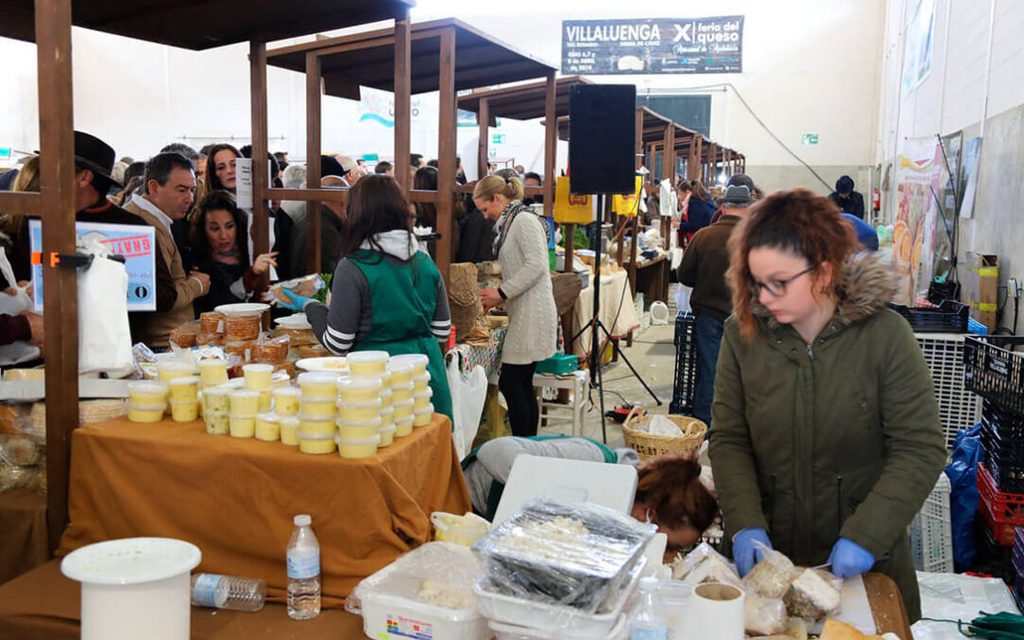
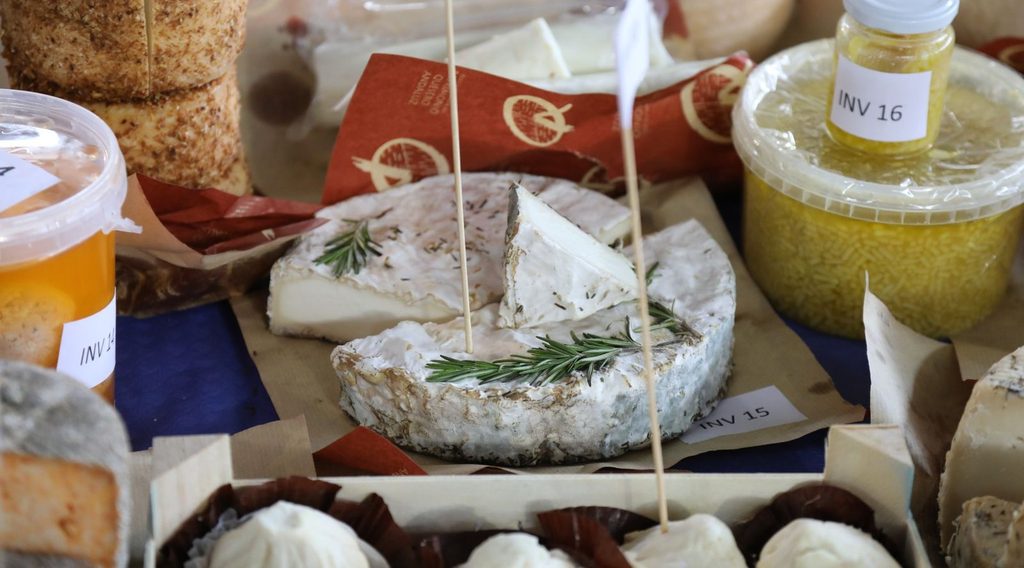
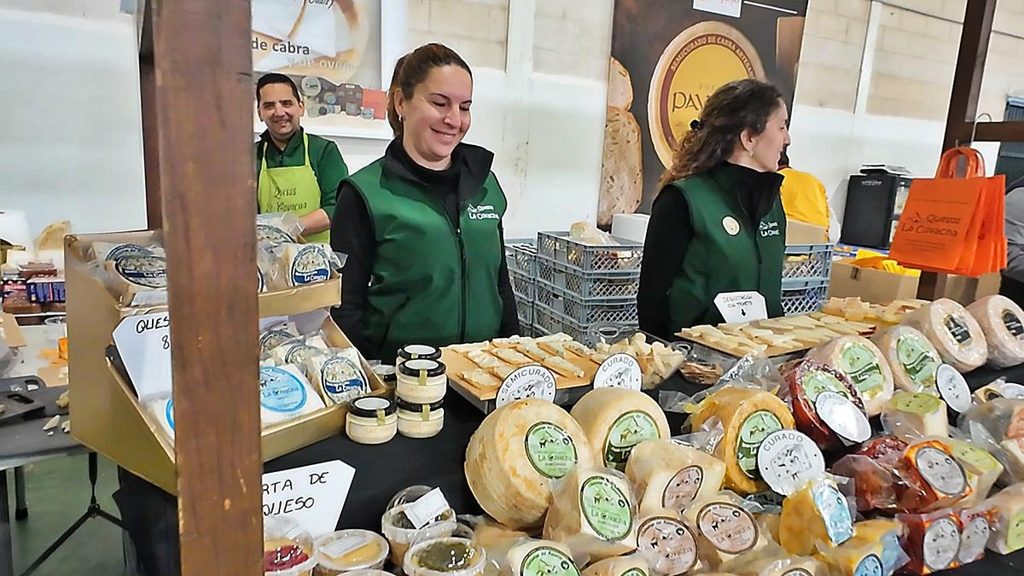
If you can only make it to one fair on this list, make it this one. Villaluenga is the highest village in the province of Cádiz. Just over two hundred inhabitants, limestone mountains all around and white streets that, for three days in April, welcome more than 30,000 visitors. It is the largest cheese fair in Andalusia and the only one in the region declared a Fair of Tourist Interest in Andalusia.
You walk among stalls holding more than a hundred varieties of cheese, made by some thirty artisan dairies from all eight Andalusian provinces. Wedges are cut, ageing processes explained, milks and pastures debated. And there is tasting: the public tastings draw hundreds of people at a time.
The Andalusian Cheese Competition is the heart of it all. It was created to give visibility to small producers and today it can put a tiny mountain dairy on the map. Andalusia is the Spanish region with the widest variety of artisan cheeses, made with milk from five native goat breeds —among them the payoya— and three sheep breeds, including the Grazalema merino. Here you see it all together, in a single day.
The fair in figures
- More than 30,000 visitors over three days
- More than 100 varieties of cheese
- Around thirty artisan dairies
- The sector’s only Fair of Tourist Interest in Andalusia
Don’t miss
- The Andalusian Cheese Competition
- The public tastings (they fill up early)
- The payoya goat cheeses
- The Grazalema merino sheep cheeses
Tip: bring a cool box in the car. You are going to buy far more cheese than you planned.
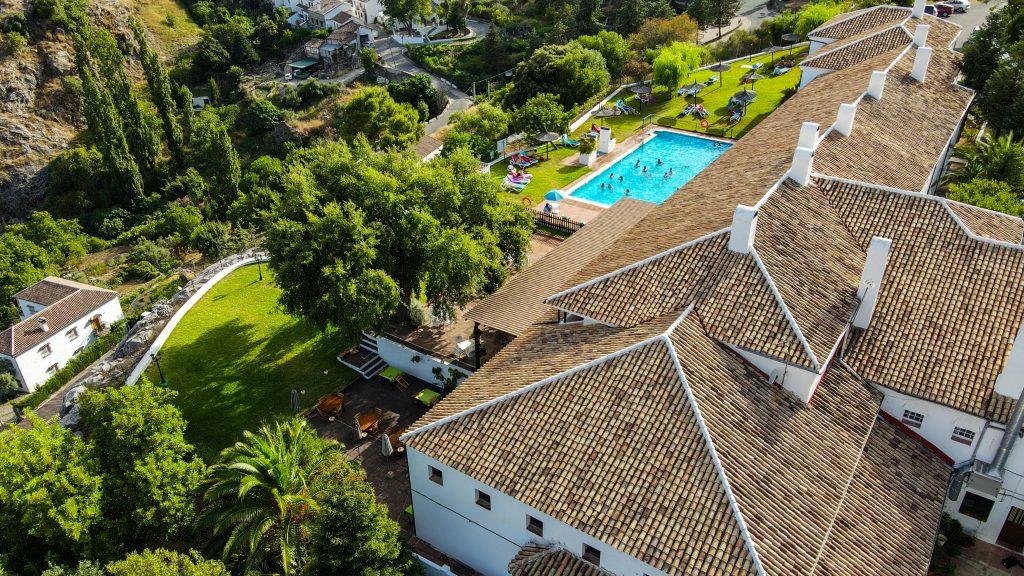
Where to stay: Hotel Villa Turística de Grazalema
Fifteen minutes from Villaluenga, on a hillside with the valley in front and the Peñón Grande behind. Mountain architecture in stone and wood, terraces looking out over the range, a pool, a fireplace for cool April nights and the El Olivar restaurant to round off the day with the cooking of the Sierra de Cádiz. Sleep here and reach the fair early, while the best wheels are still whole.
Early May · Laujar Wine Fair
Laujar de Andarax · Almería · Almerian Alpujarra
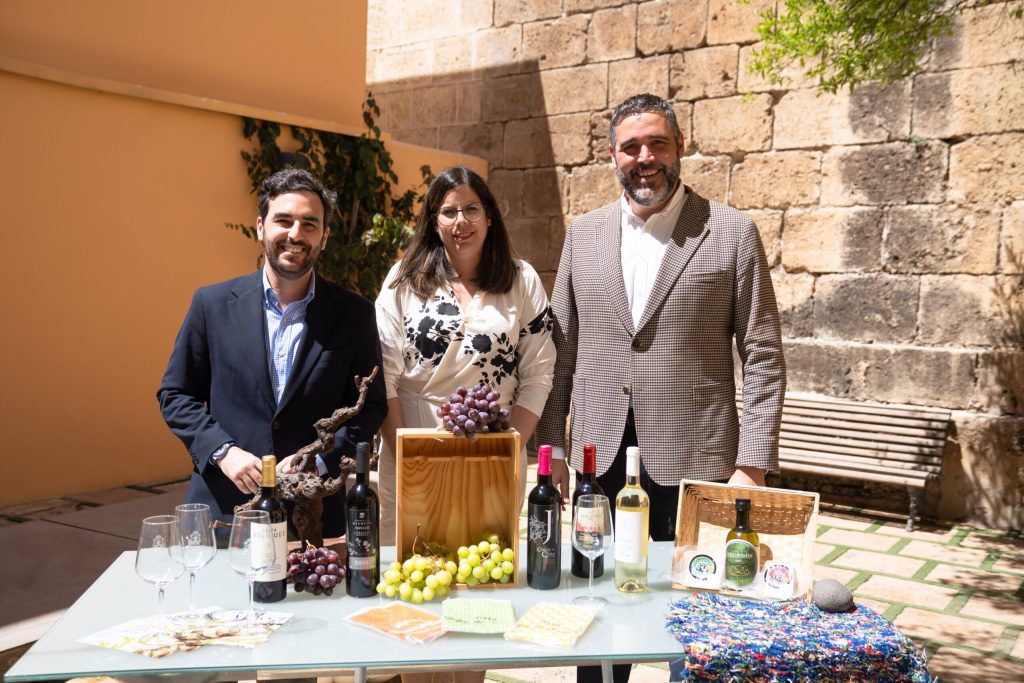
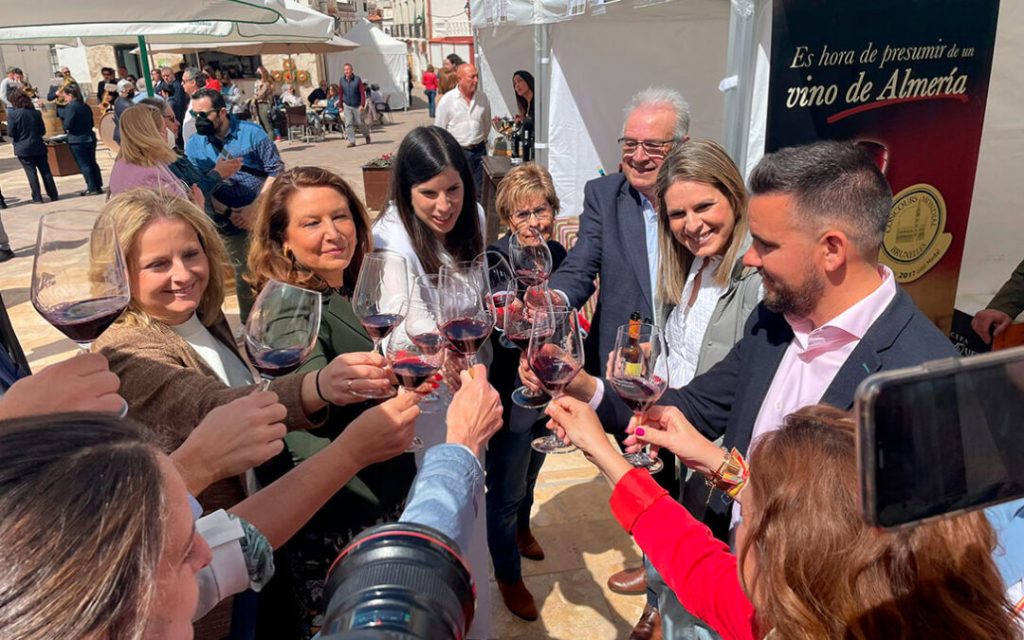
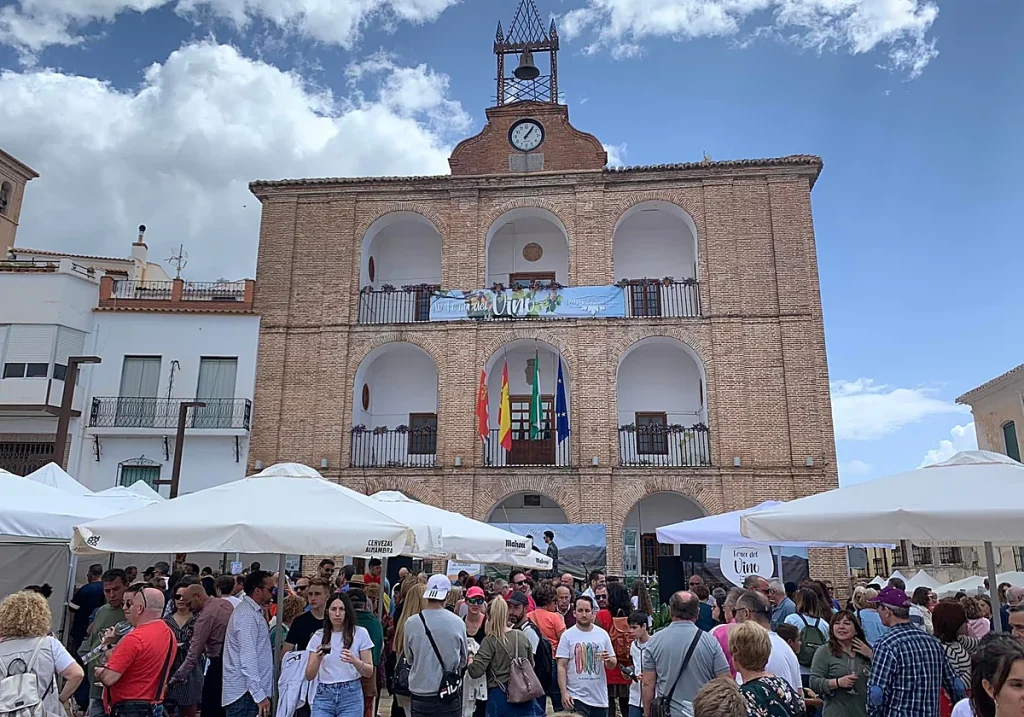
For one weekend, Laujar de Andarax becomes the wine capital of the province. A fair now approaching its twentieth edition, bringing together a good dozen wineries from the surrounding area in the heart of the Almerian Alpujarra.
But calling it just a “wine fair” falls short. Alongside the wineries, the whole local larder unfolds: olive oil, craft beer, cured meats, cheeses, honey, mantecados, pastries and local crafts. There are guided tastings, live music and that village atmosphere where everyone knows everyone.
No crowds here. You can chat calmly with the person who made what you are tasting, ask about the vintage and hear the whole story, unhurried.
The fair in figures
- Close to twenty editions
- More than ten wineries from the area
- One weekend long
- High-altitude wines from the Almerian Alpujarra
What you’ll find
- Guided tastings and live music
- Local olive oil, honey and cured meats
- Craft beer and local pastries
- Crafts from the Almerian Alpujarra
Tip: if you came thinking no wine is made in Almería, prepare to change your mind. Laujar’s are high-altitude wines, with a character and personality all of their own.
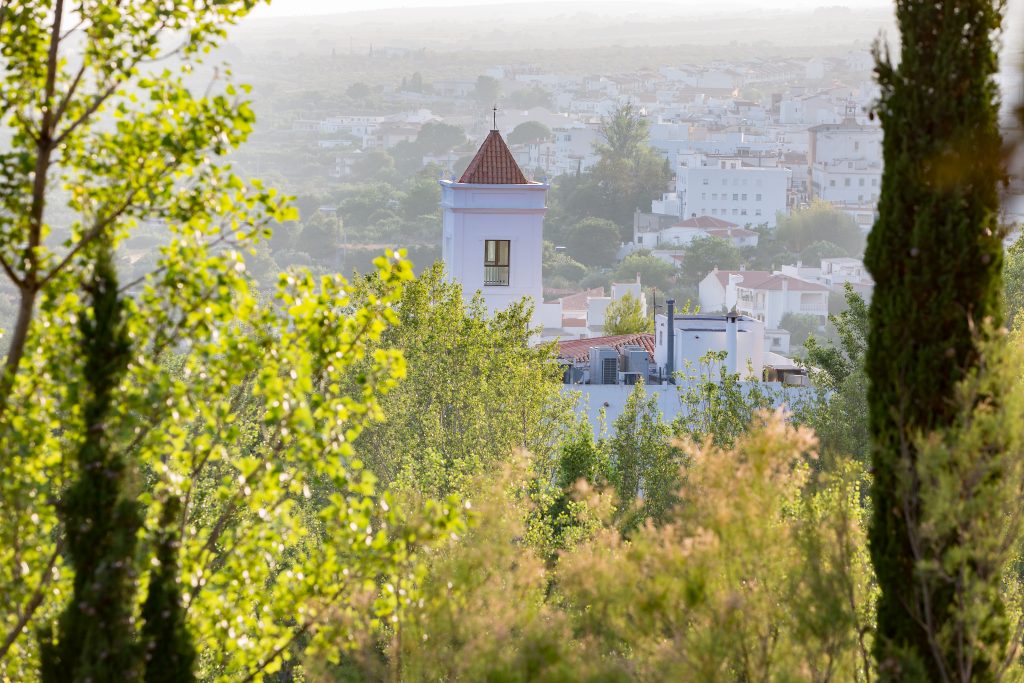
Where to stay: Hotel Villa Turística de Laujar
In the heart of the Almerian Alpujarra, a step away from the village and less than ten minutes from the start of the valley trails. Alpujarran style, a pool, pet-friendly, and the La Encina de la Villa restaurant to carry on with local produce once the fair closes. And the next day, the Senda de la Hidroeléctrica awaits ten minutes away: an irrigation channel hanging over the valley, an aqueduct and tunnels carved into the rock.
Early September · Priego de Córdoba Livestock Fair
Priego de Córdoba · Within the Feria Real
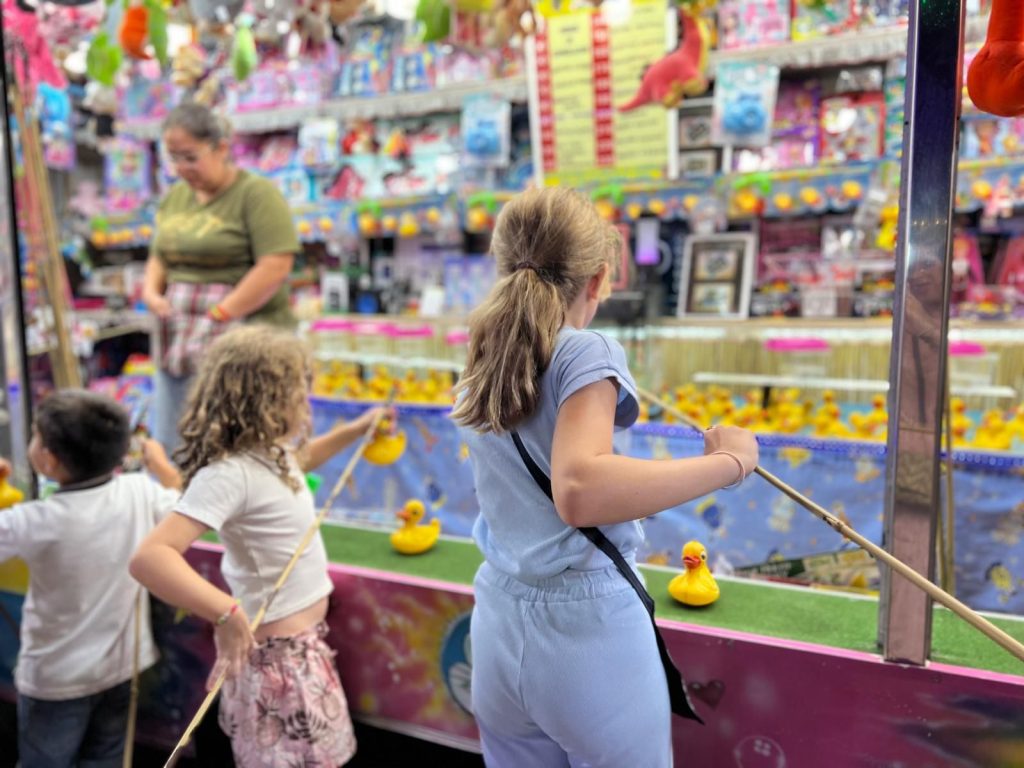

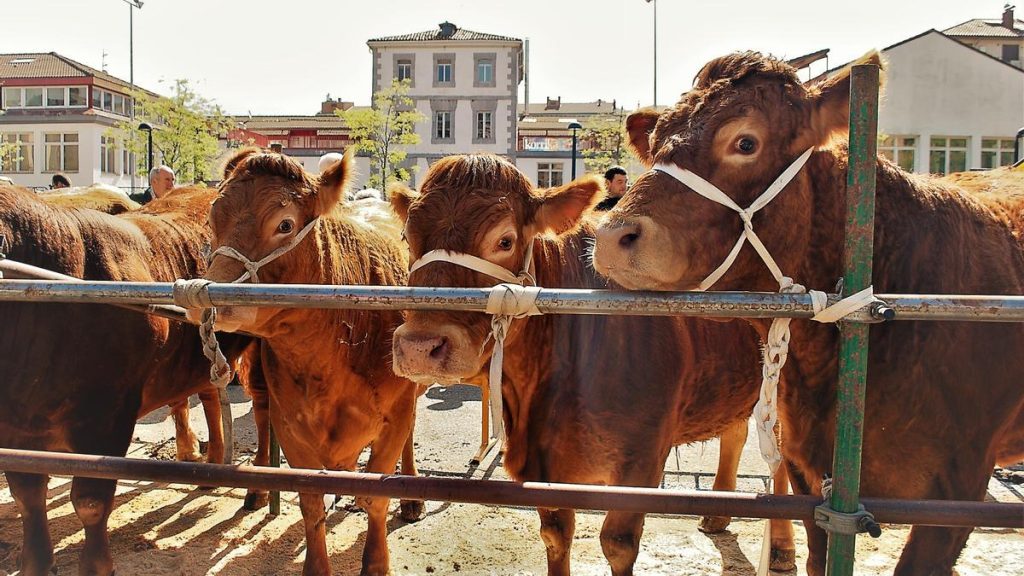
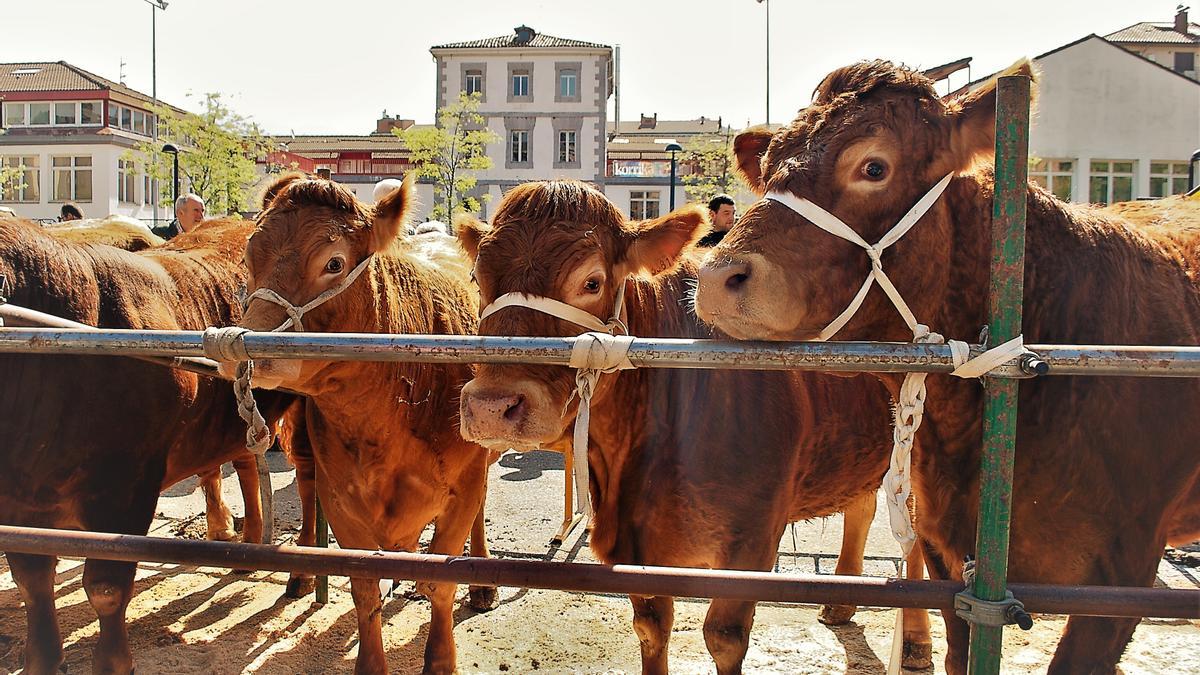
The Feria Real of Priego de Córdoba closes in early September, and its final day is given over entirely to the Livestock Fair, which fills the whole day on the municipal grounds next to the Los Almendros area.
It is one of the festival’s oldest traditions and the one that best explains where we come from: almost every Andalusian fair began as a livestock market and over time turned into marquees, paper lanterns and dancing. In Priego that origin is still alive, visible and standing.
The day has a perfect arc: a farming morning, with the animals and the dealers, and a festive night, with fireworks and closing concerts. Both faces of the fair in twenty-four hours.
The fair in figures
- Final day of the Feria Real
- Municipal grounds next to Los Almendros
- A full day of activity
- Fireworks and closing concerts
The next day
- Barrio de la Villa (Andalusi street plan)
- Fuente del Rey
- Olive oil tasting with Designation of Origin
- Sierras Subbéticas Geopark
Tip: use the following morning to wander the Barrio de la Villa and the Fuente del Rey, and to do an olive oil tasting. Priego has its own Designation of Origin and its oils are among the most awarded in the world.
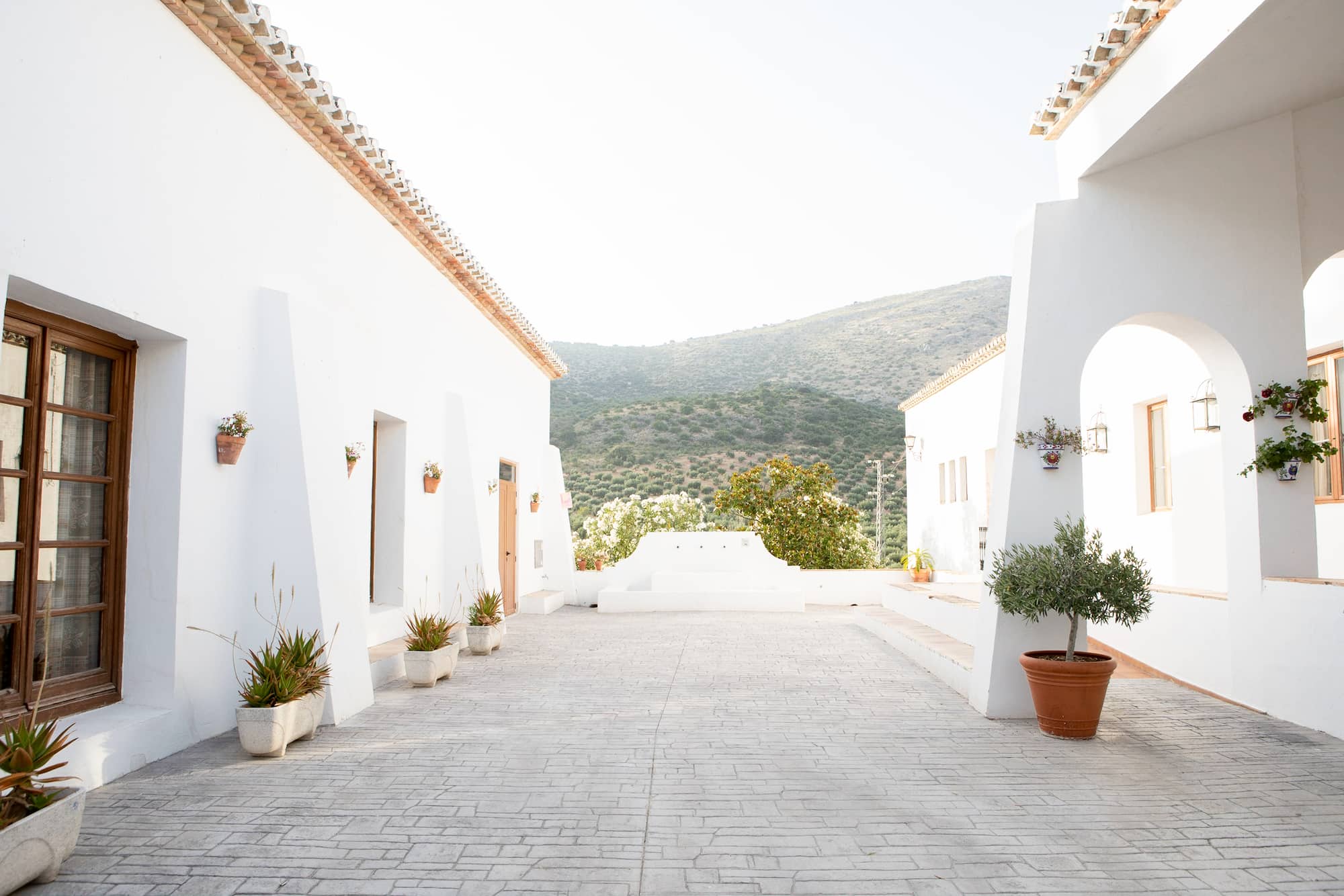
Where to stay: Hotel Villa Turística de Priego
Right inside the Sierras Subbéticas Geopark, with the baroque old town a step away and the El Piloncillo restaurant serving inland Cordoban cooking. The perfect base for combining a fair by day, baroque in the morning and olive oil to take home.
Mid-September · Cristo del Consuelo Festivities and the Entrada del Trigo
Cazorla · Jaén · Sierra de Cazorla
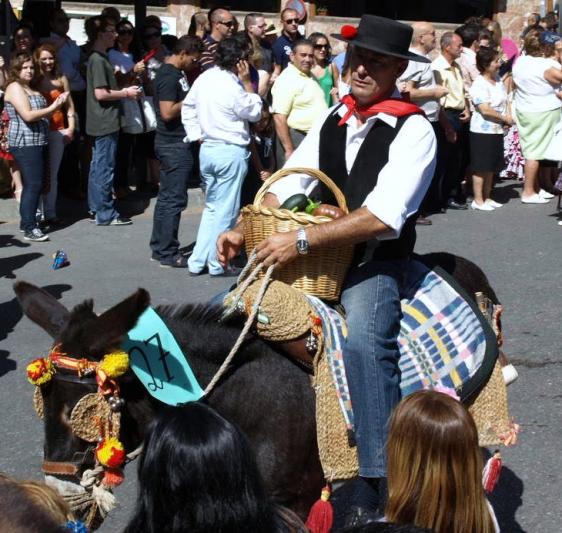
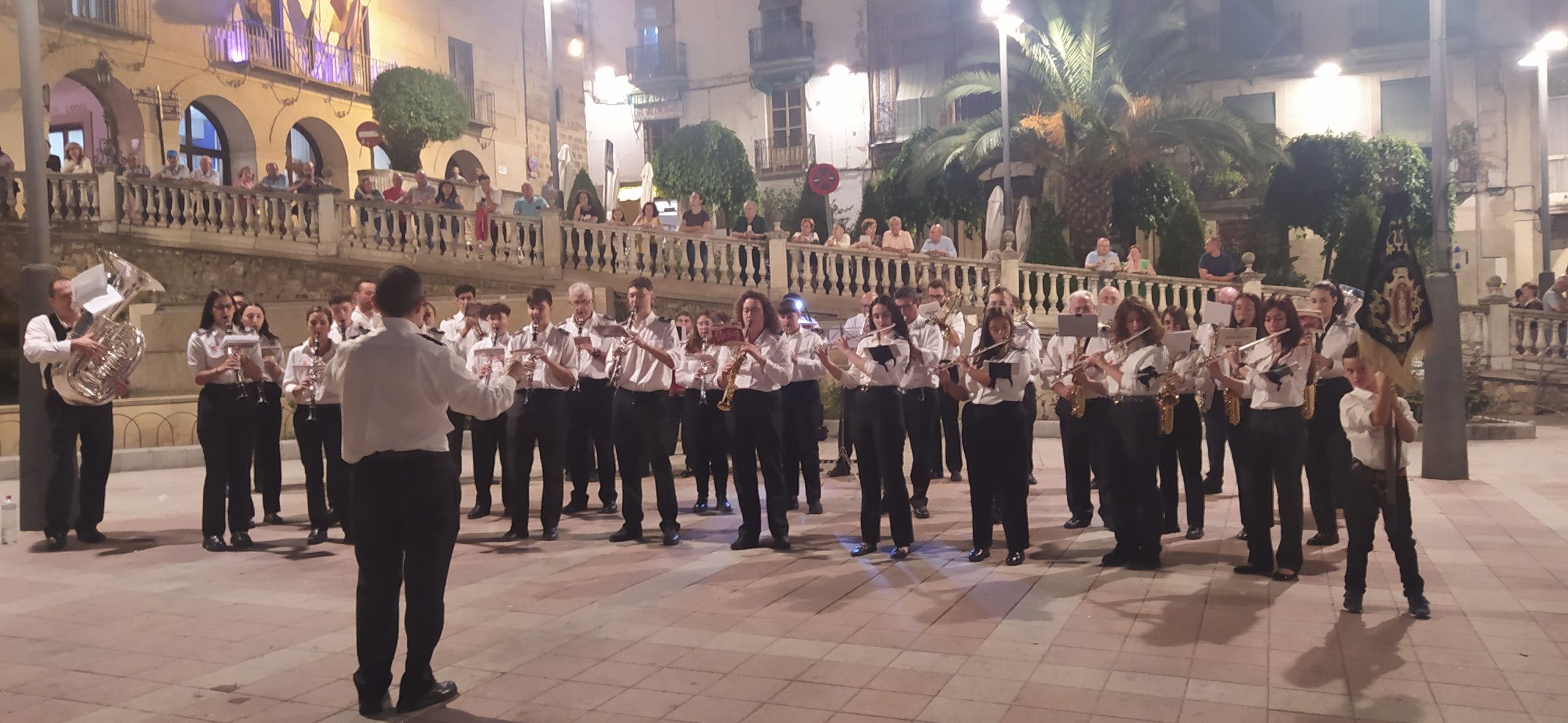
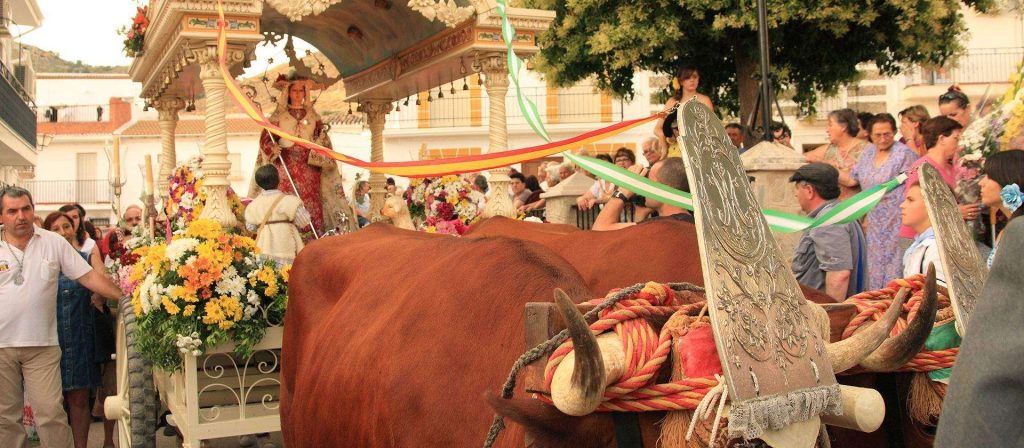
The patron saint festivities of Cazorla begin around 14 September and hold one moment that justifies the trip on its own: the Entrada del Trigo, the Entry of the Wheat.
It is the harvest offering to the Cristo del Consuelo, made in a multicoloured convoy of tractors and floats, with locals dressed in traditional mountain costume. A pure farming tradition, one of the few left, and probably the most photogenic scene in Jaén’s festive calendar.
The rest is a fair of the old school: marquees, funfair rides, music and an entire village out on the street for days. The difference is the setting, with the Castillo de la Yedra watching from above and Spain’s largest natural park all around. Cazorla also holds a Medieval Market that fills its historic centre with craft stalls. With those narrow streets and that medieval layout, the atmosphere takes care of itself.
The festivities in figures
- They begin around 14 September
- Entrada del Trigo: the harvest offering
- A convoy of tractors and floats
- Traditional mountain costume
Combine it with
- Medieval Market in the historic centre
- Castillo de la Yedra
- The Borosa river route and the Cerrada de Elías
- Cazorla, Segura and Las Villas Natural Park
Tip: get up early one day and walk the Borosa river route. Walkways over the water, the Cerrada de Elías and two tunnels through the rock. Fair in the afternoon, mountains in the morning.
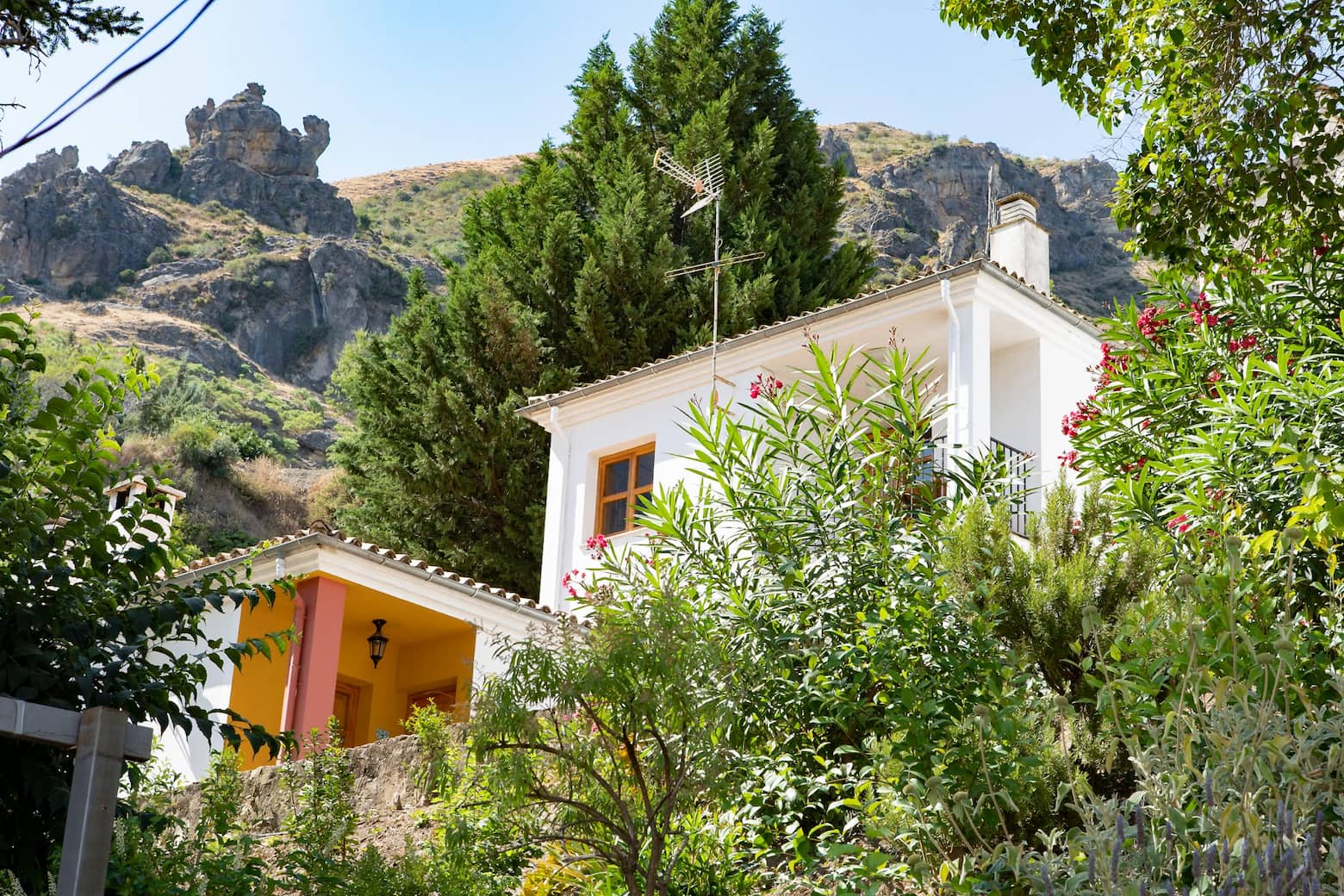
Where to stay: Hotel Villa Turística de Cazorla
Rooms looking out over the valley, at the gateway to the Sierras de Cazorla, Segura y Las Villas Natural Park, and the El Trillo restaurant with the mountain’s spoon cooking: ajoharina, rin-ran, gachamiga and the DOP Sierra de Cazorla olive oil running through it all.
Mid-September · Virgen de la Salud Festivities
Laujar de Andarax · Almería · The start of the grape harvest
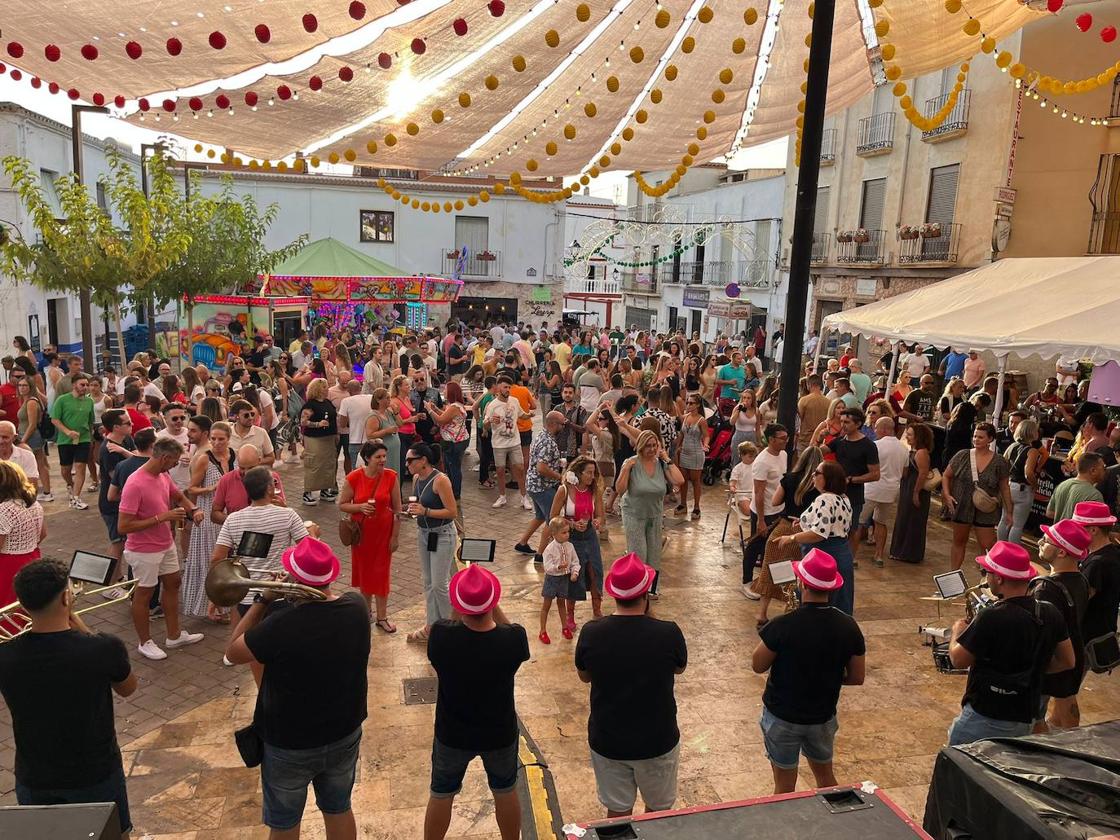
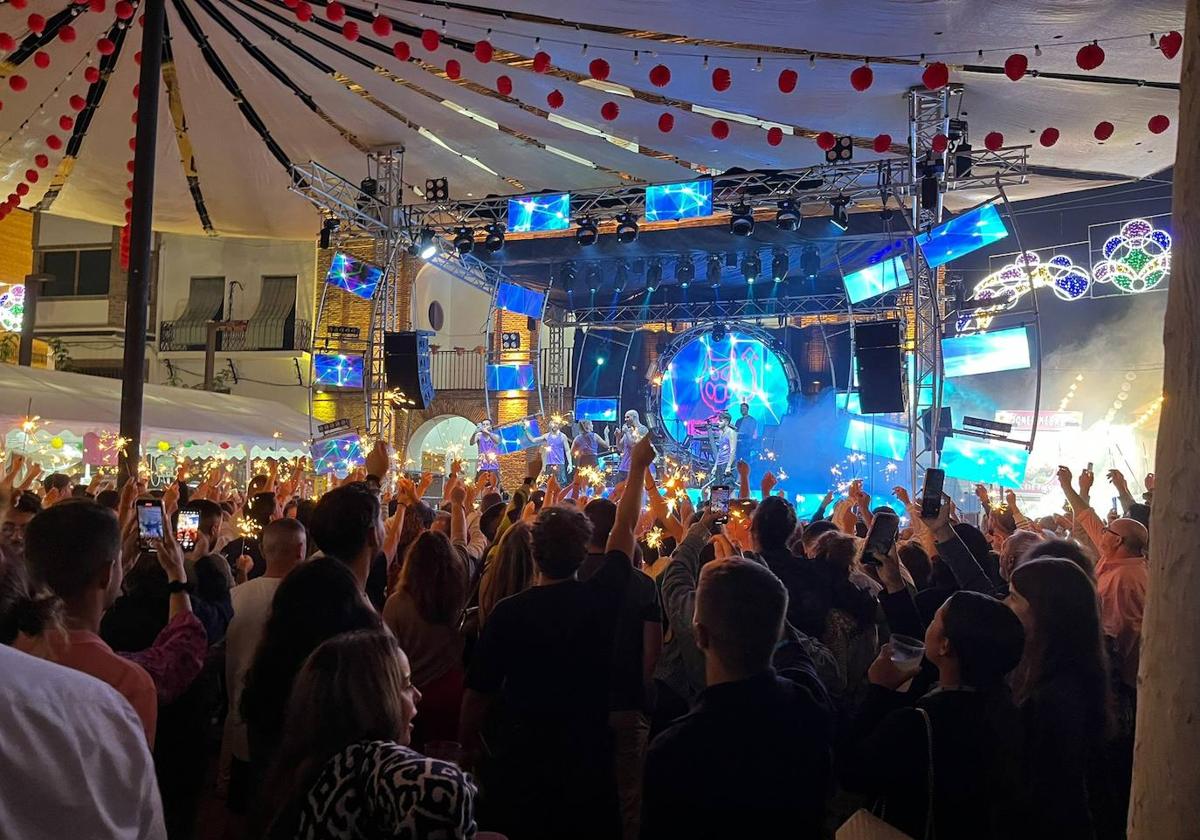
Laujar’s patron saint festivities mark the end of summer and the start of the grape harvest. They run for several days and have two hallmarks you won’t find quite like this anywhere else.
The first are the handmade floats, built by local residents over several weeks and paraded through the village. These aren’t bought-in floats: they are neighbourhood work, made by hand, and it shows in every detail.
The second is the midday fair: the Plaza Mayor turned into a gathering place from the moment the sun gets strong until dawn, with live concerts, pasodoble and sevillanas contests, morning reveilles and greasy-pole games. This is the Almerian Alpujarra with no tourist filter. A village celebrating itself.
Autumn · Alpujarra Crafts Fair
Pampaneira · Granada · 5 min from Bubión
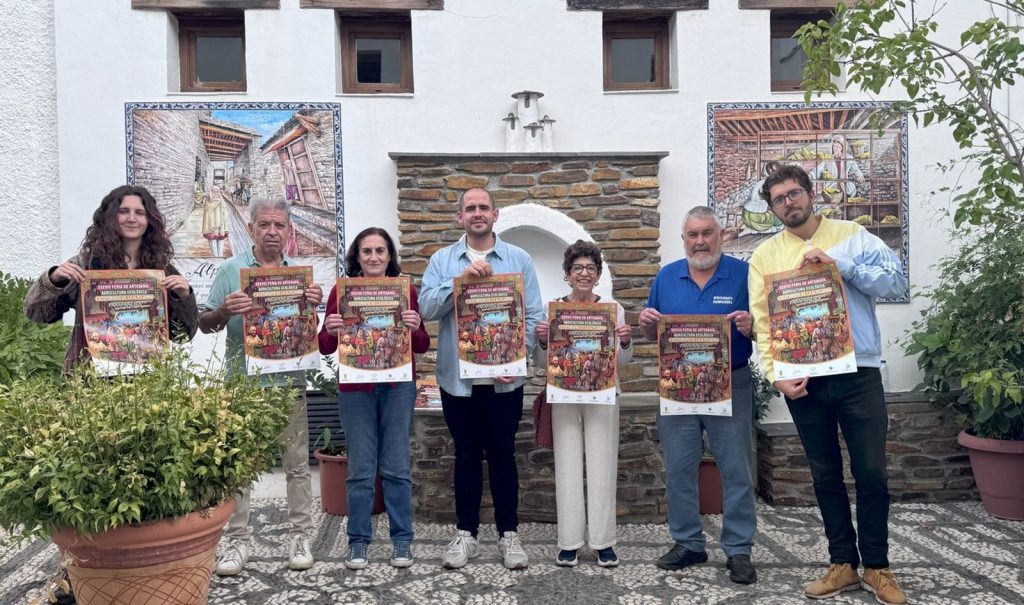
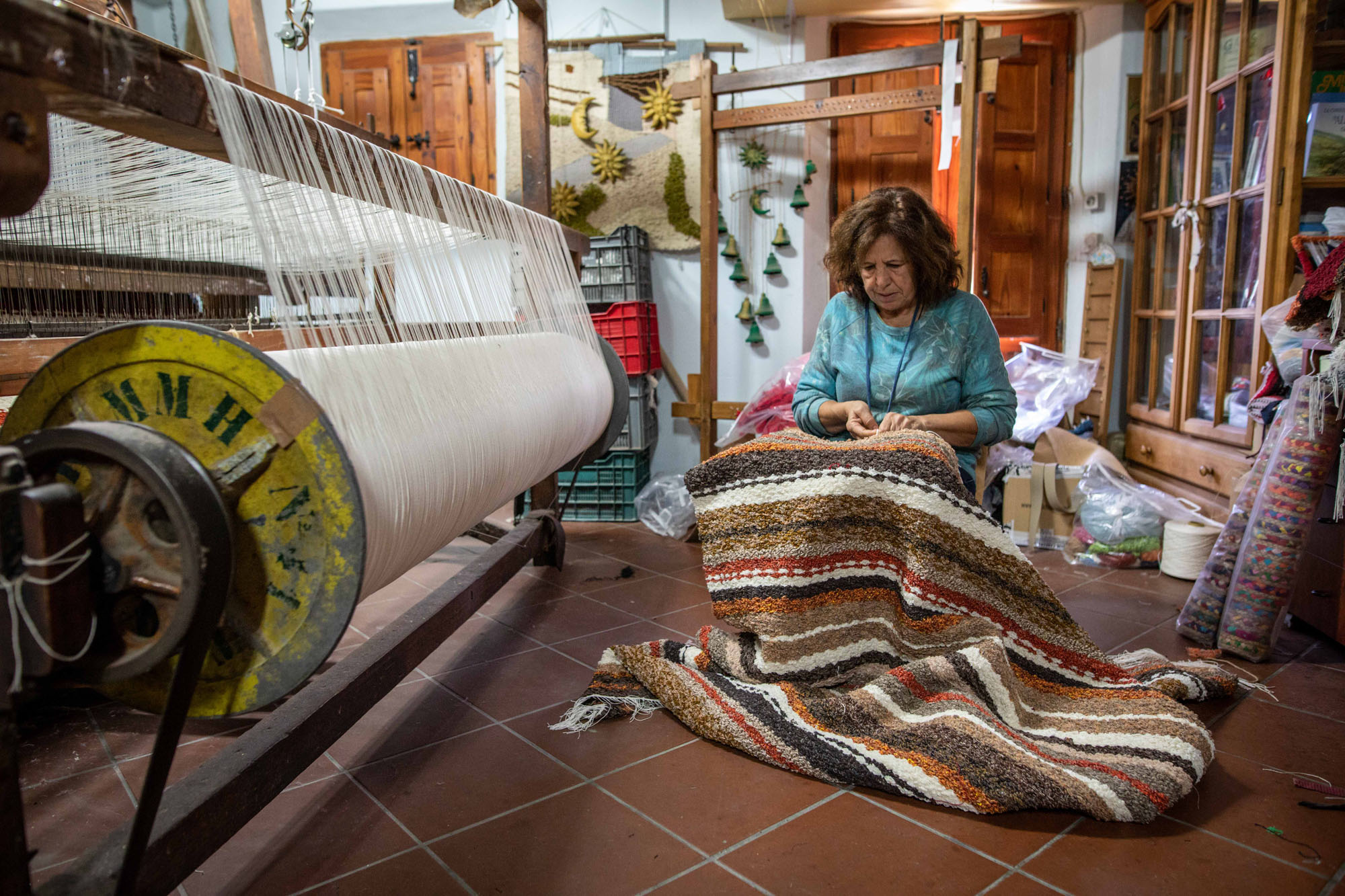
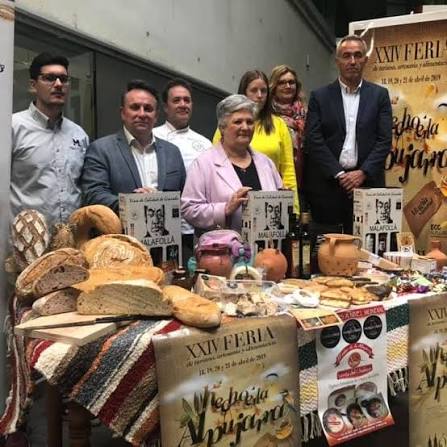
The oldest crafts fair in the Alpujarra, with almost forty editions behind it. It is held in autumn, usually over a long weekend, and brings together more than thirty craftspeople and farmers from across the district.
Pampaneira has just over three hundred inhabitants. During the fair it welcomes more than ten thousand visitors. Those two figures alone tell you what the atmosphere is like.
You’ll find looms and jarapas —the rag rugs typical of the Alpujarra, woven from strips of reused fabric—, ceramics, basketry, leather and woodwork, alongside organic produce from the surrounding area. Over the years, the fair has also added ecotourism, food, workshops and tastings.
And the setting works in its favour: Pampaneira is a listed Historic Site and one of the most beautiful villages in Spain. Seeing a crafts fair among tinaos, whitewashed chimneys and flat launa-clay roofs is nothing like seeing one in an exhibition hall.
The fair in figures
- Almost forty editions
- The oldest in the Alpujarra
- More than 10,000 visitors
- More than thirty craftspeople and farmers
Crafts you’ll see
- Looms and Alpujarran jarapas
- Ceramics and basketry
- Leather and woodwork
- Organic farming from the district
Tip: the village is small and parking gets tricky. Sleep in Bubión, barely two kilometres away, and you spare yourself the only real problem with the plan.
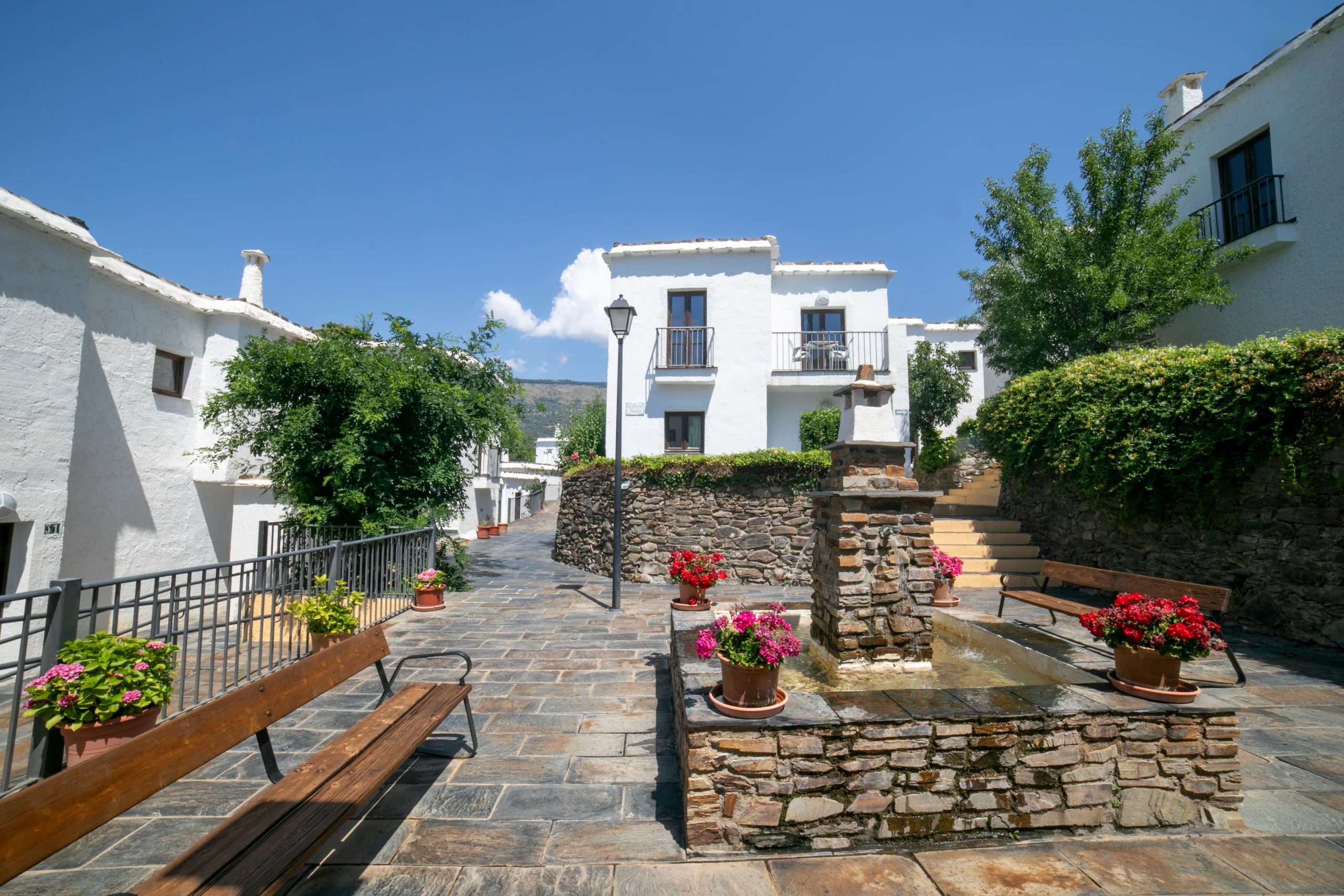
Where to stay: Hotel Villa Turística de Bubión
Built as a miniature Alpujarran village, at 1,296 metres above sea level with the Poqueira Gorge at its feet. Terraces looking over the valley, traditional architecture and the La Orza de la Villa restaurant serving plato alpujarreño and Trevélez ham. This is also the starting point for the classic walk between Pampaneira, Bubión and Capileira: seven kilometres among irrigation channels and chestnut trees.
The crafts you can see the rest of the year
The fairs are the shop window. But the crafts are still there the other three hundred and sixty days.
Grazalema and wool
Between the 17th and 19th centuries, Grazalema was one of Spain’s great cloth-making centres. The manta grazalemeña blanket is still made there today, in pure sheep’s wool, with hand-tied fringes and the natural colours of merino. The history and the process are explained at the Textile Crafts Museum, and the blankets, ponchos, shawls and scarves are on sale in the village itself.
The Alpujarra and its jarapas
Pampaneira, Bubión and Capileira are full of weaving shops, and some workshops let you watch the work in progress.
Priego and olive oil
Its own Designation of Origin and oil mills open to visitors all year round. Tastings need to be arranged in advance.
Cazorla and Laujar, their larders
DOP Sierra de Cazorla olive oil in one; wine, honey and market gardens in the other.
How to plan your visit to the fairs
Book your accommodation as early as you can
This is the most important advice in the whole guide. These fairs take place in villages that multiply their population for a few days, and rooms disappear weeks in advance.
Sleep in the bigger village, visit the smaller one
Villaluenga and Pampaneira are tiny and get gridlocked. Grazalema and Bubión leave you fifteen and five minutes away, with parking and dinner sorted.
Go early
At the food fairs the best pieces sell out and the public tastings fill up. First thing in the morning is always the best time.
Bring cash
Many craftspeople and small producers prefer it, and the signal for card readers isn’t always reliable up in the mountains.
And leave room in the car
You’re going home loaded. Everyone goes home loaded.
Frequently asked questions about crafts and livestock fairs in Andalusia
Which is the most important cheese fair in Andalusia?
The Artisan Cheese Fair of Andalusia in Villaluenga del Rosario, in the Sierra de Cádiz. It is the only one declared a Fair of Tourist Interest in Andalusia and it draws more than 30,000 visitors.
When is the Alpujarra Crafts Fair held?
In autumn, in Pampaneira, usually over a long weekend. The dates change each year, so it is best to confirm them with the local council.
Are there still traditional livestock fairs?
Yes. The Priego de Córdoba Livestock Fair is still held within the Feria Real, and Cazorla’s Entrada del Trigo keeps the farming character of the harvest offering fully intact.
Are they good plans with children?
Very good. Crafts fairs usually include children’s workshops, and watching a weaver or a potter at work is more gripping than you’d expect.
Can you buy directly from the craftspeople?
Yes, and that is exactly the point of these fairs: direct sales, no middlemen, with the maker standing behind the stall.
What is the best time of year for a trip focused on crafts?
April and autumn hold the strongest dates. September is the month with the most patron saint fairs on the list.
Because craft isn’t for looking at: it’s for touching, tasting and taking home
You can travel through Andalusia looking at monuments. Or you can travel through it looking at what people are still making with their hands, in the same villages and with the same techniques as centuries ago. The second option tastes better, unfolds more slowly and sends you home with something that lasts.
Choose your fair, choose your destination and book early. The mountains do the rest.
Choose your destination
Hotel Villa Turística de Grazalema
Sierra de Grazalema, Cádiz
Hotel Villa Turística de Cazorla
Sierra de Cazorla, Jaén
Hotel Villa Turística de Bubión
La Alpujarra, Granada
Hotel Villa Turística de Priego
Subbética district, Córdoba
Hotel Villa Turística de Laujar
The Almerian Alpujarra, Almería
The dates of these fairs vary from year to year. Always confirm the programme on the relevant local council’s website before organising your trip. Discover the hotels, compare them and plan your next rural getaway at villasdeandalucia.com